Encephalitis

Encephalitis

Synonyms

  • Brain Inflammation
  • Acute Viral Encephalitis
  • Infectious Encephalitis
  • Autoimmune Encephalitis
  • Cerebral Infection
  • Neuroinflammation

Introduction and Definition

Encephalitis is a severe, often life-threatening, inflammatory condition of the brain, typically resulting from viral infections, autoimmune reactions, or, in rarer cases, bacterial and fungal pathogens. The pathological hallmark of encephalitis is extensive neuroinflammation leading to neuronal dysfunction, cerebral edema, and, in severe cases, irreversible neurological sequelae. Given the heterogeneity in etiology and clinical presentation, accurate and timely diagnosis is imperative to optimize therapeutic interventions and reduce morbidity and mortality.

Hyperbilirubinemia

Jaundice

Also known as Icterus, Hyperbilirubinemia, Yellow discoloration syndrome, Bilirubin metabolic disorder, Peeliya (local term)

Introduction

Jaundice is a complex clinical syndrome characterized by the yellow discoloration of the skin, sclerae, and mucous membranes due to elevated serum bilirubin levels exceeding 2 to 3 mg/dL. Bilirubin, a tetrapyrrolic bile pigment, is formed during the catabolism of heme derived from senescent erythrocytes. The condition signals an underlying disorder in bilirubin metabolism, transport, or excretion, often linked to pre-hepatic, hepatic, or post-hepatic etiologies.

Stomach inflammation

Gastritis

Also known as Stomach inflammation, Gastric mucosal inflammation, Gastric irritation. Gastritis refers to the inflammation, irritation, or erosion of the gastric mucosa (the lining of the stomach). It can occur suddenly (acute gastritis) or gradually over time (chronic gastritis). The condition may be caused by various factors, including infections, medications, or autoimmune disorders.

Body fluids

Body Fluids

Body fluids are essential for maintaining physiological balance and enabling various biochemical processes within the body. These fluids exist within cells, surrounding tissues, and in specialized compartments, playing a critical role in transportation, lubrication, temperature regulation, and waste elimination.

Overview of neoplasm

Definition

A mass of tissue formed as a result of abnormal, excessive, uncoordinated, autonomous, and purposeless proliferation of cells even after removal of stimulus. 


  • Neoplasm is a term while neoplasia is a process. 
  • Tumour have two components, one is parenchyma (neoplastic cell) and second is stroma (supporting cells and vessels).

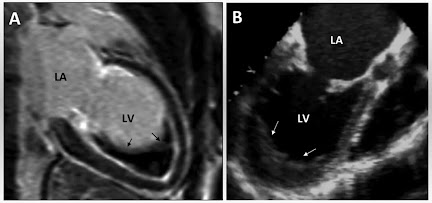
Endomyocardial Fibrosis